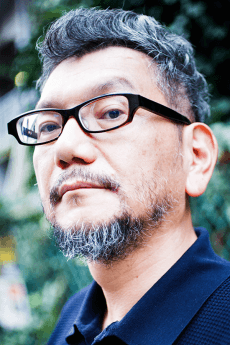
庵野秀明
Hideaki Anno
- 监督
1960 年生 · 1982 年起活跃 · AniList 收藏 7052
英文简介(来自 AniList)
Alma Mater: Yamaguchi Prefectural Ube High School Website Introduction: Hideaki Anno is known as one of Japan's celebrity anime directors. In 1984 he founded Studio Gainax along with Takami Akai and Hiroyuki Yamaga. As Anno grew up with anime and 8mm experimental film, he brought a mindset of homage and intertextuality novel to anime at the time. He is well known in Japan and has branched out into live action film making, acting, and voice acting in addition to his anime works. Style: Anno is a first-rate effects animator, known for drawing very realistic scenes of explosions and debris that bears resemblance to atomic bomb test footage. He was mentored by Hayao Miyazaki during the making of Nausicaä, where he drew the giant insect monsters. Though he's done excellent work on a wide variety of shows, his crowning masterpiece of animation is generally accepted to be the rocket launch sequence in Wings of the Honneamise. Another great showcase of his skills are the legendary explosions of DAICON IV. As a director, Anno has made a career out of subverting expectations in established genres and tropes. The signatures to his direction are rhythmic jump cuts, intertitles, minimal camera movement and avant-garde techniques like emulsion scratches and found footage photomontage. He's also fond of using Ozuesque cutaways of urban scenery, particularly things related to infrastructure and technology, such as power lines. Anno's works are known for being dialogue-driven and for beginning with a light atmosphere before transitioning into the dire. In addition to Miyazaki, Anno lists Ichiro Itano and Yoshiyuki Tomino as artistic influences. He is also a professed fan of Japanese New Wave director Kihachi Okamoto. Anno is close friends with Kunihiko Ikuhara, which fueled rumors that Ikuhara was the model for Nagisa Kaworu in Evangelion. Both share a jaundiced view of the anime market and a love for the Japanese avant-garde. Biography: Anno established his name as a director with his debut, Top wo Nerae! Gunbuster!, as the 6-episode space opera built up a reputation, in particular for its high-stakes monochrome finale. He would follow this up with being chief director for Fushigi no Umi no Nadia, but was absent for an infamous stretch of episodes called the Island arc, where Shinji Higuchi was asked to take over. Due to Nadia's rampant success, the television broadcaster requested another cour of episodes. Anno was working on the series for 18 hours a day at this point. Anno suffered from depression and became dispirited about anime production after not being permitted the creative freedom he wanted with Nadia, which fueled inspiration for one of the most important and popular works of the medium: Neon Genesis Evangelion. It remains a highly unique take on the mecha genre, casting the lead as indecisive and ineffectual instead of the typical enthusiastic, hotheaded hero. The show became infamous for its plot-driven episodes of the first half giving way to increasingly abstract character studies and deconstructions in the second. This reached its pinnacle in the finale episodes which were, due to a mixture of financial issues and Anno skirting the deadline, so experimental that they received significant negative reception. In response, Anno directed a feature-length sequel called The End of Evangelion that, though sporting higher production values, was no less experimental and surrealist than the series proper. Evangelion's massive financial success helped spurn more interest in late night anime, causing a boom in the market. Up to this day it remains a highly influential show, with many visual and narrative references to be found in contemporary anime. After Evangelion, Anno handled the adaptation of shoujo romance Kareshi Kanojo no Jijou. Despite its more straightforward narrative, its aesthetic was highly distinctive in its use of stills and cropped framings to emulate the experience of reading a shoujo manga, with Anno even filming pages of the manga in a few extreme cases. In 2007 Anno decided to leave studio Gainax after several years of poor production and financial mismanagement, and established studio Khara, and began working on the Rebuild of Evangelion film series, which are lavishly animated reboots/continuations of the TV series. Non-anime credits: Writer and director for ''Love & Pop'' Writer and director for ''Ritual'' Writer and director for ''Ryusei-kacho'' Writer and director for ''Cutie Honey (live-action movie)'' Writer and director for ''Shin Godzilla'' Writer for ''Shin Ultraman'' Writer and director for ''Shin Kamen Rider''
人物名为 AniList 上的日文写法(如「岸本斉史」的「斉」不是简体「齐」), 暂无中文译名;要复制去搜请用罗马音。
参与作品
- 1995TV新世紀エヴァンゲリオン监督 / 编剧 / 机械设计 +4
- 1997剧场版新世紀エヴァンゲリオン劇場版 Air/まごころを、君に分镜 / 监督 / 编剧 +10
- 2000OVAフリクリ原画 | 配音:みゆみゆ
- 1988剧场版火垂るの墓原画
- 2007剧场版ヱヴァンゲリヲン新劇場版:序分镜 / 总监督 / Design Works +3
- 2009剧场版ヱヴァンゲリヲン新劇場版:破分镜 / 总监督 / 企划 +5
- 2012剧场版ヱヴァンゲリヲン新劇場版:Q分镜 / Design Works / 编剧 +6
- 2021剧场版シン・エヴァンゲリオン劇場版:||编剧 / 原作 / 企划 +3
- 2013剧场版風立ちぬ配音:堀越二郎
- 1984剧场版風の谷のナウシカ原画
- 1985OVA天使のたまご原画
- 1998TV彼氏彼女の事情监督 / 编剧 / 分镜
- 1997剧场版新世紀エヴァンゲリオン劇場版 シト新生编剧 / 总监督
- 1988OVAトップをねらえ! GunBuster监督 / 编剧 / 分镜 +2
- 2025TV機動戦士Gundam GQuuuuuuX编剧 / Design Works / 分镜 +1
- 1994TV美少女戦士セーラームーン S原画
- 1982TV超時空要塞マクロス原画
- 2012OVA宇宙戦艦ヤマト2199分镜
- 1981TVうる星やつら原画
- 2004OVAトップをねらえ2!DIEBUSTER监修 / 分镜 / 原画 +1
- 2002TVアベノ橋魔法☆商店街配音:遊星人の声